




The High-Level Summit will be officially opened by Dr. Toshihiro Fujita, Chair of the Global Initiative for Safety, Health, and Well-being (GISHW) at EXPO 2025 and Beyond. The opening ceremony will feature the presence of esteemed dignitaries from Japan and around the world.




Senior representatives from the leading International Organisations such as the ILO, WHO, ISSA and European Commission and the Government of Japan exchange at the impressive EXPO Hall with Business Leaders from renowned corporations about the importance of a safe, healthy and sustainable business culture for a ‘future society for our lives’.

Senior representatives from the leading International Organisations such as the ILO, WHO, ISSA and European Commission and the Government of Japan exchange at the impressive EXPO Hall with Business Leaders from renowned corporations about the importance of a safe, healthy and sustainable business culture for a ‘future society for our lives’.


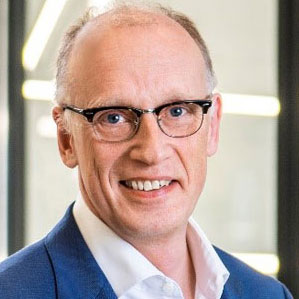
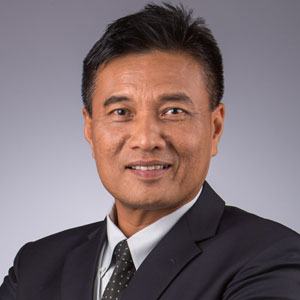
Senior representatives from the leading International Organisations such as the ILO, WHO, ISSA and European Commission and the Government of Japan exchange at the impressive EXPO Hall with Business Leaders from renowned corporations about the importance of a safe, healthy and sustainable business culture for a ‘future society for our lives’.


オフィスやサービス現場で働く従業員の行動や生理状態を計測する人間計測技術、さらには、そこから業務の状態、身体や心理的な状況を計算して可視化提示することで従業員の心身の状態を高め、さらにはリモートロボット技術で遠隔就労を実現するという人間拡張技術が研究開発されている。さまざまなウェアラブルセンサデバイスが利用可能になっていることや、生産性向上に向けて従業員のQuality of Working (QoW) を向上させようとする企業側の意識変化によって、これらの技術が職場やサービス現場に適用され、ウェルビーイング向上に役立ち始めている。
一方で、企業経営においても従業員の心身の健康を考える健康経営、さらには、ウェルビーイングを実現するためのウェルビーイングマネジメントが重要視され始めている。2024年には、ISO TC314においてウェルビーイングマネジメントのガイドライン標準が策定された。このような標準に沿って実現されたウェルビーイングマネジメントは、統合報告書などに記載されて投資家を含むさまざまなステークホルダーの目につくことになる。これが、企業経営におけるウェルビーイングマネジメント推進の原動力になると期待されている。
本シンポジウムでは、就労現場のウェルビーイングに資する人間計測、人間拡張技術の研究開発と適用事例を紹介するとともに、ISO TC314におけるウェルビーイングマネジメントのガイドライン標準の策定と、それを活用する日本企業における健康・ウェルビーイングマネージメントの動向について紹介する。




生産現場では,効率性や生産性の向上が重視される一方で,労働者の健康や負担軽減といった労働環境におけるウェルビーングの向上も重要な課題となっている.そこで,人間の行動特性や身体特性に応じて労働環境をデザインするための技術に注目が集まっており,ここではそれを人間中心のウェルビーイング・テックと呼ぶ.
現状でもスマートウォッチやセンサを内蔵した作業着を用い,労働者の心拍数や体温をリアルタイムにモニタリングすることで,過労や熱中症を予防するシステムが運用されている.これは,異常検知に基づき労働者の安全性向上を実現するウェルビーイング・テックの一つである.
人間中心のウェルビーイング・テックとは,この考えを一歩進め,人間の特性を明示的にモデル化し,これを用いて認知・身体負荷の軽減を目指すものである.例えば,労働者の行動特性や身体特性がモデル化できれば,それを用いた行動シミュレーションに基づき,より良い現場環境がデザインできる.また,労働者のモデルに加えて,現場における労働者の現況がモニタリングできれば,アシストスーツや協働ロボットを用いた即時的な作業支援が実現できる.
本セッションでは,より良い現場環境のデザインと即時的な作業支援という2つの観点から,人間中心のウェルビーイング・テックの現場での活用事例や,最新の研究事例を紹介する.行動分析,工程シミュレーション,アシストスーツ,そしてデジタルヒューマンのように多岐に渡る4つの講演を通じて,それぞれの技術について理解を深めるとともに,相互連携の可能性を議論する機会としたい.また,本セッションが人間中心のウェルビーイング・テックが現場で活用される契機となることを期待したい.




The value of people and their health and safety at work is an essential dimension of sustainability. Learn how the safety and health of workers is a fundamental building block of sustainability and sustainable growth, aligned with the UN Sustainable Development Goal 3; “Good health and well-being” and Goal 8; “Decent work and economic growth”. This creates value for an organization and influences decision-making.
These experts provide real-world, valuable insights into how organizations leverage sustainability to elevate workplace safety and health.
The session will include a facilitated workshop where attendees will participate in an exchange of ideas, best practices and learning on the true value of Health and Safety at Work.



水中でのウルトラファインバブル安定理論と生成理論を紹介し、解明された原理によってウルトラファインバブル生成量の制御例を紹介する。また将来ウルトラファインバブル数密度の評価を統一するための国際基準となる標準UFB水の提案と現在の開発状況について紹介する。
各国のファインバブル技術動向を報告する。
ISO/TC 281の今後の計画や展開に関して議論を深め、環境に優しく、ウェルビーイングを実現する技術として、ファインバブル技術の産業化をISO規格化で世界に広げる必要性やその方法に関して意見を交換すると共に、その内容をISO及び業界団体として万博宣言という形で発表する内容について議論する。




Vision Zero is a powerful strategy aimed at enhancing safety, health, and well-being at work. The Finnish Vision Zero Forum has been active for over 20 years, with its members implementing various best practices in their workplaces. This session will highlight practical approaches and challenges that have been successfully addressed in different workplaces and actors.
The speakers will cover topics such as integrating occupational health care and safety at construction sites, addressing safety considerations for foreign labor forces, and utilizing a positive approach to safety work in practice. Hear from HSE leaders as they share their strategies, and the benefits achieved for their work communities and enterprises.
The session will include presentations from the speakers followed by a panel discussion, providing a deep dive into the best practices for dissemination and achieving Vision Zero goals.


This session will explore the critical role of national prevention strategies and programmes in enhancing safety, health, and wellbeing in the workplace and developing a socially responsible business culture.
Occupational Safety and Health (OSH) executives from diverse regions around the globe will present successful initiatives and innovative approaches tailored to their national contexts.
Participants will gain insights into the effectiveness of various national policies, innovative approaches to strengthen risk prevention and integrate health promotion in occupational settings, and the critical collaboration between government, industry, and labour organizations.
By sharing best practices and lessons learned, this session aims to foster a global dialogue on advancing occupational health and safety standards, ultimately contributing to safer and healthier work environments for all. Join us to learn from real- world experiences and discuss the future of workplace wellbeing strategies across different cultures and economies.







Vision Zero for Labour Inspection is about transforming the role of labour inspectors from mere enforcers to partners in creating safe and sustainable workplaces.
Implementing Vision Zero for Labour Inspection would require significant investment in training, technology, and institutional capacity. But the returns - in terms of lives saved, injuries prevented, and sustainable business practices promoted - would far outweigh the costs.
As we pursue Vision Zero, we must acknowledge that it's a journey, not a destination. It requires sustained commitment, continuous learning, and a willingness to challenge our assumptions.
We must also recognise that Vision Zero is not just about preventing negatives; it's about promoting positives. It's about creating workplaces where people can thrive, communities can prosper, and businesses can succeed sustainably.





This session will showcase the concepts, real-world examples, and outcomes of efforts in Japan to enhance productivity and safety through collaboration among industry, government, and academia. Participants will also discuss the envisioned future and share these achievements globally.



Focusing on creating homes that are kind to people and society, this session will explore how wooden architecture can improve global well-being. Presenting practical examples, participants will discuss what is needed to achieve this vision and share insights with the world.


建設現場における遠隔操作技術の活用事例、またコンセプトを発表。
災害の復旧と対策で培ってきた実践的な対応策とその成果を世界の皆様に発表。
働く人々のWell-beingを追求すべく、建設業の人不足、人材の首都一極集中等の社会的課題の解決策として、地方からの遠隔操作で解決する実例も示していく。



製造現場では協働ロボットの普及が進み、機械と作業者が協業、協働して作業を行う場面が増加しています。しかし、人と機械が同じ空間や時間を共有して作業する現場では、従来のように物理的な手段で人と機械を隔離する安全対策が現実的でない場合が多く見受けられます。
このような状況を踏まえ、人と機械が協働・協調して作業を行うためには、ICTを活用した新しい安全概念である「協調安全(Collaborative Safety)」が求められます。「協調安全」とは、人、機械、環境が相互に連携することで、物理的な隔離に依存せず、安全かつ効率的に作業を進める仕組みを構築する考え方です。
本シンポジウムでは、ユーザー、機械メーカー、安全機器メーカーの視点から、「協調安全」の実現に向けた技術、実装事例、課題を紹介して、未来の製造現場における人と機械の新たな関係性を提案します。



As we confront a rapidly evolving world of work and the emerging risks that this presents to the worker, the need for strong global standards and practices in safety, health, and wellbeing has never been more critical.
This session will highlight key occupational hygiene priorities on the global stage and focus on embedding the newly established fundamental principle and right of safety and health at work into the values and strategies of workplaces worldwide.
A central theme will be the shortage of qualified practitioners and the need to build more partnerships to drive global change. We will discuss the urgency of building a competent and certified workforce, highlighting a successful model from Japan, and the broader global implications of such efforts. Additionally, we will address the challenges of reaching informal workers and strategies to extend occupational hygiene prevention efforts and worker protection to those often excluded from traditional frameworks.
Finally, the session will consider the role of advocacy and the call for a collective response to ensure that these vital issues are embedded in future work environments.






What connects countries as different as Luxembourg, the Republic of Senegal and Colombia? All three provide good examples of how the Vision Zero strategy is being implemented in countries and companies around the globe.
Developed by the International Social Security Association (ISSA) in 2017, Vision Zero has been launched in over 50 countries so far. What began as a campaign has subsequently developed into a strategy that has become a global success thanks to its simplicity, its flexible implementation at country, sector and company level and, not least, its emotional appeal.
Vision Zero is based on the belief that all occupational accidents and diseases are preventable. At the heart of the strategy are the “7 Golden Rules” and the Vision Zero Guides, which focus on a good management culture, people-oriented work, participation and sustainability in the corporate culture. The message is: safety, health and well-being at work must not just be a concern for experts, but must be discussed and practiced on a daily basis in companies and educational institutions.
This Track highlights on the basis of select country examples how the Vision Zero strategy has been successfully transformed into national programs and activities, what lessons were learned and what are the next steps.



Well-beingな社会の実現に向けて、移動×空間価値の向上を目指すオープンイノベーションプラットフォーム「WaaS共創コンソーシアム」の活動が進んでいる。本コンソーシアムはJR東日本が設立したプラットフォームであり、会員である約120社・団体が、イノベーション創出を模索し、様々な実証実験を実施、さらに社会実装のフェーズへとあゆみを進めている。これは、民間事業者主体のコンソーシアムによる社会課題に対するアプローチであり、その成果と目指す未来を有識者とともに議論する。
本ステージでは、本コンソーシアムの活動と成果を紹介し、イノベーション創出とWell-beingに関する多様な取り組みを共有する。また、各分野の有識者との対話を通じて、未来社会の課題解決に対するアプローチを探る。全ての参加者が共に学び、共創する場となることを期待する。



日本産業衛生学会は、およそ100年の歴史を持ち、産業保健の研究と実践に従事する9,000人以上の専門家で構成される学術団体です。
この1世紀の間に、日本は軽工業時代、重工業時代を経て、情報化時代へと大きな経済発展を遂げました。その中で、有害物質への曝露による健康被害や、長時間労働による過労死など、様々な労働者の健康問題が顕在化してきました。当学会は、こうした課題に対する予防的取り組みの発展に大きく貢献してきました。
近年、日本では急速な高齢化が進む一方で、技術革新や気候変動によって労働者の健康課題が変化しており、新たな対応が求められています。
本シンポジウムでは、「日本における産業保健の軌跡」と「日本における産業保健の未来」の2部構成で、各分野の第一人者が重要なトピックと知見を共有します。
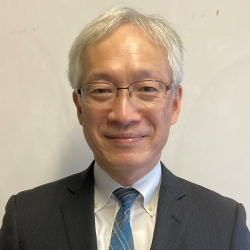
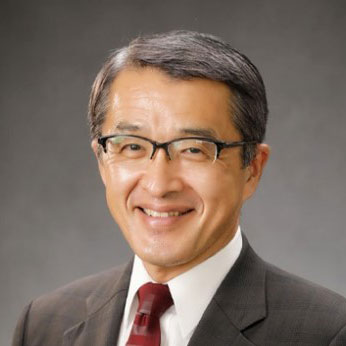


日本産業衛生学会は、およそ100年の歴史を持ち、産業保健の研究と実践に従事する9,000人以上の専門家で構成される学術団体です。
この1世紀の間に、日本は軽工業時代、重工業時代を経て、情報化時代へと大きな経済発展を遂げました。その中で、有害物質への曝露による健康被害や、長時間労働による過労死など、様々な労働者の健康問題が顕在化してきました。当学会は、こうした課題に対する予防的取り組みの発展に大きく貢献してきました。
近年、日本では急速な高齢化が進む一方で、技術革新や気候変動によって労働者の健康課題が変化しており、新たな対応が求められています。
本シンポジウムでは、「日本における産業保健の軌跡」と「日本における産業保健の未来」の2部構成で、各分野の第一人者が重要なトピックと知見を共有します。

Building a robust high-risk management culture is critical for organizational success and the well-being of employees. This presentation explores actionable strategies to foster a positive risk-searching work environment and identifies key pitfalls that can undermine these efforts.
The first part of the presentation focuses on four foundational elements that can effectively build a strong risk management culture: shared vision, visible felt leadership, employee engagement, learning and transparency. Each of these strategies is examined through real-world examples and practical insights, demonstrating how they can be implemented to create a proactive and resilient safety culture.
The second part of the presentation highlights three common yet often overlooked ways that safety cultures can be inadvertently destroyed: misalignment, inconsistency, trust, and failure to adapt. By understanding these destructive elements, organizations can take proactive measures to avoid them and sustain their risk management culture over time.
This session will be a mix of presentations, exchanges, and learning to equip, managers, a safety professionals and organizational leaders with the knowledge and tools needed to build and maintain an effective and efficient high-risk management culture adapted and integrated to business needs and protect employees from life- changing incidents.


Canada’s labour market is in crisis, with many employers facing a chronic shortage of skilled employees, decreased productivity, and increasing mental health claims due to workplace stress and burnout. One notable factor emerging: in organizations that are successfully navigating these challenges is emotionally intelligent leadership.
Emotional intelligence has become a critical factor in shaping workplace dynamics, influencing organizational performance and employee mental health and engagement. This discussion will examine how emotionally intelligent leadership can foster a healthier, more productive work environment—highlighting key trends and challenges within Canadian organizations. In this critical session, panelists will provide research-driven insights and practical strategies for integrating emotional intelligence into leadership practices to enhance overall workplace wellbeing.
Objectives:
1.Examine the Role of Emotional Intelligence in Leadership: To explore how the emotional intelligence of an organization’s leaders influences workplace culture, employee engagement, and overall wellbeing.
2.Highlight Canadian-Specific Trends and Challenges: To identify key trends, challenges, and opportunities in Canadian workplaces in fostering emotionally intelligent leadership.
3.Provide Research-Based Insights: To offer evidence-based insights and case studies that demonstrate the tangible effects of emotionally intelligent leadership on organizational performance and employee mental health.
4.Share Practical Strategies: To equip participants with practical strategies and tools to integrate emotional intelligence into their leadership practices, improving team dynamics and workplace wellbeing.
5.Promote Discussion and Thought Leadership: To facilitate a dialogue among industry experts and leaders about the importance of emotional intelligence in driving organizational success and employee satisfaction.

EMS(骨格筋電気刺激)は超高齢社会の日本国内に於いて需要が高まっており、
特に高齢患者が増加の一途を辿る病院の臨床現場にて運動がしたくても強度な
負荷をかけた随意運動ができない虚弱高齢者のリハビリテーションに活用され
る事例が増えています。本セッションでは、高齢労働者の怪我の予防に繋がる
EMSの活用事例や実際に患者のリハビリテーションかにEMSを使用している臨
床事例や研究事例を3名の先生よりご紹介させて頂きます。
1人目のスピーカー中京大学スポーツ科学部渡邊教授からは他動的に筋肉を鍛え
ることができるEMSとはどういった技術なのか、そのメカニズムの解説、
研究論文、及び、高齢者の労働災害が近年増加傾向にあり加齢に伴う身体機能
の低下による怪我の予防に繋がるEMSの有用性についてご紹介いただきます。
2人目のスピーカー金沢大学理工研究域フロンティア工学系西川准教授からは
超高齢社会におけるEMSの可能性について、虚弱高齢患者にEMSでのリハビリ
介入をした研究事例やEMSによる代替運動が認知症予防に繋がる事例などを
ご紹介いただきます。
3人目のスピーカー医療法人偕行会名古屋共立病院森山先生からは現在患者に
対して行なっているEMSを活用した臨床事例をご紹介いただきます。偕行会は
国内における血液透析患者の数が3番目に多く、高齢化の進む透析患者に運動
療法の一環としてEMSを使用しています。週3回ベッドの上で4時間血液透析を
行う透析患者は脱重力状態が続きサルコペニアになり易く、転倒、骨折のリス
クも高まります。その予防の為に血液透析中にEMSを活用している事例を紹介
します。

我々、株式会社MTGは美容・健康機器のメーカーです。事業ビジョンとして「VITAL LIFE(バイタルライフ)」を掲げ、世界中の人々の健康で美しく生き生きとした人生を実現することを企業の目的としています。
健康で美しく生き生きとした人生のためには、生命維持に欠かせない「血流」が大切であるという考えのもと、約20年、研究開発を進めてきました。
血流とは血管を血液が流れることであり、血流の役割は酸素や栄養素を全身に行き届けることです。つまり、生命維持に欠かせない機能です。新たに血流促進効果のある特殊繊維を開発し、着るだけで「美と健康」に導く衣服を実現しました。
特殊繊維は、セラミックの遠赤外線効果により血流促進をする化学繊維です。ポリエステル、ナイロンなどの繊維にセラミックを練りこんでいるために半永久的に効果を持続します。
本邦においては、ある基準を超える血流促進効果が認められると医療機器とされます。血流促進の他、疲労回復、疲労物質の蓄積の抑制、筋肉のハリ・コリの緩和、筋肉の疲れを軽減、腰痛・肩こり・関節痛・炎症等の改善、神経痛・筋肉痛の緩和などが期待できる医療機器です。
本衣服技術は、着るだけで血流促進ができ、老若男女が日常生活に手軽に取り入れることができます。今後、超高齢化が進む日本において、この衣服技術が健康寿命の延伸に貢献すると考えます。また、この日本の衣服技術で世界の「Health & Well-being」を実現したいと考えます。
今回、衣服技術だけでなく「血流改善がもたらす美と健康」について、第一人者を迎え発表します。
Digitalisation has the potential to significantly enhance safety, health, and wellbeing in the workplace by leveraging technology to create a more responsive and proactive environment. By implementing digital tools such as wearable devices, IoT sensors, and mobile health applications, organizations can monitor employee health and safety in real time, enabling early detection of potential hazards and health issues.
Digital platforms also improve communication and training, ensuring that employees are well-informed about safety protocols and available health resources. Furthermore, data analytics and AI can identify trends and areas for improvement, leading to more effective risk management strategies. By fostering a culture of prevention through digital initiatives, employers can enhance employee engagement, reduce absenteeism, and promote a healthier work-life balance.
Overall, integrating digital solutions in the workplace not only supports compliance with safety regulations but also contributes to a more resilient and thriving organizational culture. Following an introduction to the topic, senior SHE managers will present practical business cases from various industries, discussing the challenges and opportunities of digitalisation for prevention.

Heads of international safety and health organisations and OSH-managers exchange about the critical role of leadership for achieving “Safety, Health and Well-being for All"


On Friday, 18th July 2025, as part of the Osaka Expo 2025, a historic World Assembly Plenary will be organised at the Expo Hall, celebrating Occupational Safety and Health professionals and their contribution to the world of work and to societies at large.
The event will see Occupational Safety and Health professionals take the stage to highlight the vital role of Occupational Safety and Health and wellbeing in “Designing Future Societies of our Lives” and adopt a World Assembly Outcome Document and Declaration reinforcing this role, which will send a clear message to the world that Occupational Safety and Health is a foundation of sustainable development and of sustainable future.




今後、長く続くと予想される日本の労働人口の減少、および人口の超高齢化は、生産のみならずサービスも含めた社会の全般にわたって大きな影響を及ぼすことになる。
そのような状況においても、快適で安全な社会を維持していくためには、人間を中心に考え、すべての人のウェルビーイングを前提として可能な限りの自動化を推し進め、人と機械とが協調する新たな社会システムを構築することが必要であると考えられる。
本セッションでは、そうしたビジョンを前提にサービスロボットやウェルビーイング・テックの社会への導入について、安全性や効率性、実現性などについて、現状の技術と今後の展開を見据えた議論を行う。




AIやロボット技術の発展により、人と機械との協業の場が多くなってくることが予測される。
特に、今後のAIの活用には、技術的だけでなく倫理的にも議論する必要がある。
本セッションでは、人のWell-beingを実現するために、どのようにAIを含む機械を活用すべきか、そのための技術課題として何をすべきかについて議論する。



In the rapidly evolving landscape of occupational health and safety, the Asia Pacific Occupational Safety and Health Organisation (APOSHO) presents a pivotal session focusing on "Empowering Workplaces: A People-Centered Strategy for Health and Wellbeing." This session aims to explore innovative strategies and successful implementations by APOSHO member organisations, highlighting their commitment to fostering environments where employee health and wellbeing are prioritised.
The session will feature distinguished APOSHO members, including representatives from the Asia and Oceania regions and beyond. Through a moderated discussion forum, each member will share their approaches and experiences in integrating people-centered practices within their workplaces. They will provide valuable insights on employee engagement, innovative technologies, community collaboration, and effective policies. The session will also offer opportunities for members to discuss related topics and allow participants to engage directly with the speakers, ask questions, and exchange ideas, fostering a dynamic and interactive learning environment.






AI and immersive learning are shaping a new norm for safety training and site on boarding. Join Pixaera and JGC for a live interactive classroom experience where attendees can participate in a live hyper-realistic simulation and experience a real-life safety incident.
The presentation outlines how AI is transforming workplace accident prevention in Germany, supporting the Vision Zero goal of eliminating work-related accidents and diseases.
Focusing on occupational health in production is key for human productivity. Modern biomechanic understanding paired with digital ergonomics assessment methods support work planners and health and safety specialists for a healthier future of manual labour force. Digital modelling and tool research is presented and discussed, combined with a vision and future needs.

本セッションでは安全·安心、医療·健康·福祉などWell-beingの観点か
ら、人・AIロボット・情報系を融合した革新技術「サイバニクス」によ
る、社会実装への挑戦、持続可能な社会実装への革新的な取り組みつい
て、実践事例とともに紹介します。
基調講演では、医療·健康·身体機能、認知·心理などの心身や生活·社会活
動での諸問題が解決され多様な人々の自立度·自由度が拡張された「未来
のWell-being社会」を実現するため、ロボット産業、IT産業に続く新産
業「サイバニクス」(人とAI·ロボット·情報システムの融合)を駆使し
て、超高齢社会が直面する諸課題(疾患、高齢による機能低下、難病、
子育て等)の解決に向けた実際の取り組みが紹介されます。
さらに、社会保障制度と連携したマレーシア・PERKESOとの協働によ
る国際的プロジェクトをはじめ、CYBERDYNEが展開する社会的に持続
可能なビジネスモデルを共有。企業としてのミッションが、いかに制
度・文化・経済と融合しながら、すべての人々の安全・健康・Well-being
の実現に寄与し得るのかを探ります。



Rapid advances in ICT are driving automation and innovation across all areas sectors of the economy. This digitalisation of work presents both challenges and opportunities, including in the field of occupational safety and health. Policy makers around the world have recognised the need for action, whether updating regulations, developing tools and know-how, or raising awareness about the key issues.
The ILO noted that “the diffusion of digital technology in businesses and workplaces is reshaping the world of work, creating both opportunities and challenges. The digitalization of the labour market encompasses a variety of occupations from on-demand logistics services to highly skilled software developers working remotely and individuals (or ‘influencers’) earning via data transactions generated by social media channels and livestreaming services.”
The European Commission identifies digitalisation, together with climate change as the most important transitions facing the European Union and it has addressed the impact on work in its Strategic Framework on Health and Safety at Work 2021-2027.
Digital solutions foster competitiveness and bring prospects for companies, workers and societies. In this symposium, we are considering the both the challenges and the opportunities presented by digitalisation in relation to safety and health at work. Advances in technology raise the possibility of new risks, but also of opportunities to improve conditions for workers at all stages of their life and career. Artificial intelligence and big data can bring innovation and new forms of management. Digital technologies can provide workers, including workers with disabilities or older workers, and their employers with digitally enabled solutions to support their health and wellbeing. However, new technologies also pose challenges due to both the increased irregularity in when and where work is performed and the risks related to new tools and machinery.
Research by EU-OSHA shows that while the vast majority of companies in the EU have integrated digital technologies in their operations, less than one in four (24%) report considering the potential impact of such technologies on the safety and health of workers. On the other hand more than half the workers responding to the OSH Pulse in 2022 says that the use of digital technology determines the speed or pace of their work.

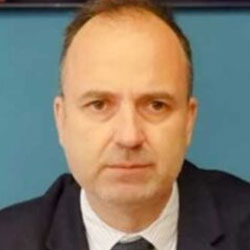

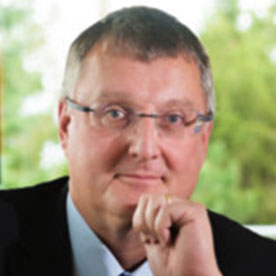


Climate change poses significant health risks for workers, especially through heat stress, which can impact physiological functions and contribute to serious health outcomes. Large datasets reveal patterns in heat-related health effects, offering insight into how various stressors from a changing climate exacerbate health risks.
To protect workers, especially in high-exposure settings, strategies are being developed to mitigate climate-related health impacts. These include workplace adaptations and innovative technology applications, such as robotics, to reduce unnecessary heat exposure.
Migrant workers face unique challenges, with extreme weather and high heat levels intensifying both physical and psychosocial strain. Targeted interventions for migrant workers are essential, focusing on regional adaptations, social support, and protective measures that address the diverse impacts of climate stressors across geographic and cultural contexts.
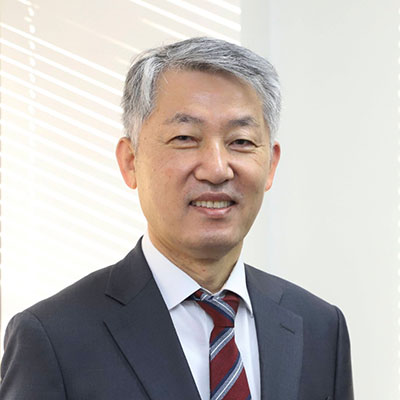




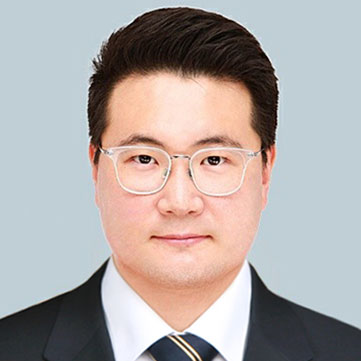



従業員の安全・健康・ウェルビーイングは労働人口の減少や働き方改革が進展するモノづくり企業において、ますますその重要性が高まっている。
この実現に貢献できるツールのひとつが、人、機械、環境がリスク情報連携して人に安心を与える協調安全であり、これを効果的かつ持続的に現場で実践するには、技術的側面の他に、要員の適性、組織やマネジメント、ルール形成といった包括的なアプローチが不可欠である。
本セッションでは、自動車や電機セクターを中心としたモノづくり企業における独自の取組みを紹介し、聴講者の所属企業に対し何らかのヒントを与えることを狙いとする。




日本の建設業は、高齢化や労働人口不足の課題に加え、万博工事や海外進出した工事など多様なニーズの拡大により、生産性向上やウエルビーィングの確保が強く求められている。
本セッションでは、住宅工事、集合住宅工事、ロードサイドショップ工事を含めた幅広い建設工事の現場を担当するメンバーが、実際の現場経験を交えながら、現場を楽にする方法や一人一人の生産性を高める取り組みを語る。レンタル会社3社が語る最新レンタルサービスの具体的活用事例をもとに、安全・安心な現場環境の整備や負担軽減の成功事例を共有し、現場力向上につなげる。また、「協調安全」をテーマに建設業界が企業間連携を通じて、安全確保と品質向上を両立させるための方向性を明確化し、業界全体の今後の取り組みについても整理する。
このセッションでは、全員が一つの質問に対して、それぞれが考え方を述べて、共有する時間を最後に設けてあります。


建設現場において品質を確保し、安全性と生産性の向上を同時に実現する方策を導入しています。それに加えて、昨今ではSDGsの観点から働く人のWell-beingは企業経営に重要な要素とされています。このセッションでは、日本を代表する建設関連会社に所属するIGSAP建設委員会のメンバーが、生産性向上と安全性向上の同時実現の実施例に基づきディスカッションを行い、建設現場におけるSDGsの促進、Well-being実現に貢献することを目指します。





日本の建設業は昨今の少子高齢化における状況を乗り越えるために大きな岐路に直面している。建設生産性の向上や省人化、少子高齢化の現状において工事を請け負い、工期内に確実に安全を確保しながら品質を担保しながら物作りをサービスとして確実に提供する建設業だが、従来の仕事の進め方や多くの関係者の関わりを大幅に変えなければ、これ以上の生産向上や省人化は難しい。
そのような中において、究極の技術をつかってその課題をクリアするものの1つが建設重機を自動自律で動かし、土木工事の生産性を一気に向上させようという取組である。しかしながら技術のみを極めても施工現場における安全を確保して品質を向上させることは難しい。
そこで、2023年にこれらの技術を活用するために国土交通省を含め関係団体が議論を重ね日本版安全ルールを構築した。
このセッションではまずこの安全ルール構築に至った背景を説明し、そこの背景で使える技術はどこまで進化しているのかを発表してもらう。その後パネルディスカッション形式にて、今後の日本が進むべき方向性や、どのような思考で技術と安全を確保していくのかという観点で、「協調安全」をキーワードに産業界の代表者とパネルディスカッションを行う.

Within the Policy Track Sessions, the ILO will hold a session under the auspices of the Global Coalition for Social Justice with a focus on the intrinsic link between occupational safety and health and other public goods. This symposium will serve as a platform for an interactive and forward-looking exchange among the ILO, other UN Entities, financial institutions, governments, social partners, civil society and OSH professionals. Given that nearly 3 million work-related fatalities occur annually, discussions will focus on effective policies, strategies, and initiatives aimed at safeguarding lives, improving working conditions, and fostering resilient societies. In the framework of the Coalition’s key intervention on the Human Rights Economy, the ILO Session/Symposium will seek a reinvigorated commitment to a safe and healthy working environment as part of the ILO Fundamental Principles and Rights at Work and the human right to safe and healthy working conditions entrenched in article 7(b) of the International Covenant on Economic, Social and Cultural Rights.
The symposium will feature international and national best practices in occupational safety and health, offering insights into effective strategies that contribute to safer and healthier workplaces. The audience will also be encouraged to share their experiences, perspectives, and innovative ideas, ensuring a diverse and inclusive dialogue.
By fostering dialogue, knowledge-sharing, and strategic collaboration, the ILO Symposium at Expo 2025 Osaka will contribute to shaping policies and initiatives that support safe, healthy, and dignified work for all. The symposium will be organized in two tracks to give voice to a large audience, including partners of the Global Coalition, from among multilateral and national actors, employers’ and workers’ organisations, civil society, the private sector as well as OSH professionals.





As the world we live in continues to change rapidly every day so do the places in which we work. Safety, health and wellbeing must be at the heart of work today and in the future so everyone can go home safe, healthy and well, every day. Our profession must continue to evolve.
In this session we will discuss how the role of the OSH professional has already evolved and what is influencing further change - including the challenges and opportunities presented by new technologies, including AI and machine learning; how changing demographics are impacting workplace risk profiles; climate change and other environmental impacts, how work is organised and the complexities of balancing agile and hybrid models of working; the importance of psychological safety and what all this means for the role of the OSH professional.


In today’s competitive landscape, it is imperative that businesses prioritize not only profitability but also the social sustainability of their operations. This session will explore holistic approaches to managing safety, health, and well-being at the enterprise level, emphasizing the long-term benefits for organizations and employees, their families and their communities.
Through a series of expert presentations, we will examine frameworks and approaches such as Vision Zero, Total Worker Health®, and One Life: Work & Home. Strategies will be showcased that go beyond compliance to foster an interdependent culture of safety and well-being. These approaches aim to integrate physical, social, and mental health initiatives, enabling workers to thrive both at work and at home.
Discussion will include the growing importance of attracting, supporting, and retaining talent in socially responsible enterprises across sectors and around the globe. A strong focus on well-being as a key differentiator in the modern business environment will be highlighted and explored.


In an era where manufacturing and production are rapidly evolving, the integration of predictive digital solutions has become essential for enhancing efficiency, safety, and innovation on the 'shop floor'. It is important to consider how these technologies can be harnessed to predict equipment failures, optimise workflows and improve overall productivity, but more than ever all whilst ensuring a safe working environment.
This session will delve into real-world case studies demonstrating the successful implementation of predictive analytics and virtual simulations, highlighting the tangible benefits realised by organisations that have embraced these advanced solutions, whilst addressing the critical importance of responsible technology deployment, focusing on ethical considerations, data security, and the need for a skilled workforce to manage these complex systems.
This session aims to explore strategies and practices that promote safe and robust alignment with a company culture and structure that supports a sustainable and human-centric adoption of technologies in consultation and with the participation of workers as part of a system that prioritises the promotion of workers’ safety, rights and skills development.



Today’s economy is characterized by globalisation and cross- border trade with highly sophisticated global supply chains to organize the activities needed to develop, produce, and deliver goods and services to the consumers. Currently one of the main challenges in global supply chains is leveraging the supply chains for improvements in occupational safety, health and wellbeing (OSHW), because violation of basic human rights and/or occupational health and safety are often complained.
Against this background the need for OSHW improvement along global supply chains is widely recognized – but how can it be achieved?
In the session different aspects and best practice examples are showcased. The universal VISION ZERO strategy as well as due diligence obligations and the up to date technical progress become drivers for OSHW along supply chains. This given the holistic approach is key in order to create sustainable supply chains.


本セッションは、日本産業保健法学会が担当する。本学会の設立を促したのは、国際的に問題となっているメンタルヘルスや生活習慣病である。これらは、個人と組織の価値観や能力に深く関わるため、単独の専門領域では対応が難しい。従来の安全問題のように、技術的な対応も困難であり、特に、法律や人事労務などによる質的なアプローチが欠かせない。本学会は、法律学、人事労務、産業保健、医療、心理学など、複数の専門領域の連携により、具体的な問題解決を図るために設立された。
そこで本セッションでは、日本のメンタルヘルスの現状、メンタルヘルスに関する法政策を示した上、本学会がどのような理念もって、そのような理論を打ち出してきたかを示し、国際的な参考材料を提供すると共に、国際的な議論を喚起したい。
具体的には、以下の報告を予定している。
1.日本のメンタルヘルスの現状
日本のメンタルヘルスの実態を示すデータ
日本の職場のよくあるメンタルヘルス不調、等。
2.日本のメンタルヘルスに関する法政策
制度:ストレスチェック制度、民事裁判例、精神障害の労災認定基準の整備、長時間労働の法的上限やハラスメント防止基準の導入。
効果:企業の対応を促進し、メンタルヘルス意識の浸透に一定の効果を上げた。しかし、本人の能力不足や未熟さなどから、周囲が疲弊しているケースも散見される。
展望:有効なメンタルヘルス対策には、個人と組織の能力と価値観のすり合わせ、不調を訴える者に対しては、疾病性と事例性を踏まえた、サポ-ティブな対応と非妥協的(uncompromising)な対応の組み合わせが求められる。
3.産業保健法学とは
労働者の健康と安全を法的視点から支援する学際的分野。法が持つ「納得形成力」や「行為規範性」を活かしつつ、予防医学・心理学・経営学などとの連携による横断的なアプローチを図る。法を単なる規制ではなく、現場の課題解決に役立つ「生きた法」として活用し、個人と組織が納得して働ける職業生活の実現を目指す。
GISHWへの期待:どこかの国や地域が優位を取るよりも、国ごとに文化や制度が異なることを前提に、互いの良いところを学び合える場となることを期待している。
なお、本学会は、広く労働安全衛生管理などの課題も取り扱っている。

日本における安全衛生の代表的な機関である中央労働災害防止協会、労働安全衛生総合研究所、産業医科大学における国際関係での取り組みを紹介し、今後の国際協力の推進について議論する。
中央労働災害防止協会からは、JICA研修、スマイルプロジェクト、SAKURAプロジェクト、APOSHOでの国際協力などを紹介する。
労働安全衛生総合研究所からは、Sheffield Group Meeting、AOSHRI、労働衛生に関するWHO協力センターなどを紹介する。
産業医科大学からは、MOUに基づく国際交流事業、UOEH国際シンポジウム、WHO協力センターなどを紹介する。

本セッションでは、共に創る大学での「理想の働きVA(場)」について、本学での働き方改革やエンゲージメント向上に関する事例紹介及び意見交換を通して提案する。目指すべきVAとは、2023年5月に本学で開催された「G7倉敷労働雇用大臣会合応援事業『私たちで創り上げる理想の働きVA(場)』~デジタル×レジリエンス×人財ウェルビーイング~」で議論されたもので、value (価値)、veritas(真理)、virtue(美徳)を尊重し、virtual(ヴァーチャル・デジタル) を活かし、verve(力強さ)、vigor(活力)、vividness(鮮やかさ)をもってventure(冒険)していける、包摂的で多様性のある全世代が働きがいのある人間らしい仕事ができる場である。※
本学では、VAの実現に向けて、組織の若き人材と執行部との信頼関係と関係性の醸成を大切にし、また、「不易流行」の精神で、組織内での心理的安全性を担保する「人間力」を基本(「不易」)に置きながら、新たな価値を創造する(「流行」)ためにその両者をつなぐ体制づくり、情報及び課題の共有、施策の提案、意見交換が行える持続可能な健全な組織を目指している。
さらに、大学の外なるVA(場)としての地域への展開として、岡山では、「デジタル田園健康特区」で地域の医療機関のマンパワーを確保するために地域の病院と大学病院との連携をもとに持続可能な地域医療体制の構築を取り組んでいる。デジタルでの技術革新、ワーク・エンゲージメントの向上、ディーセント・ワークを実現すべく、医師の働き方改革も進めている。





Advancing Global Safety, Health, and Well-being: The Role of the University of Osaka
Since the launch of GISHW in 2023, the University of Osaka has been actively engaged in its activities. At the Days on Safety, Health and Well-being during EXPO 2025, to be held from July 16 to 19, 2025, we will proudly participate not only in the main session of the international symposium, but also in high-level summits, the ILO Youth Congress, and various other events.
We take great pride in this involvement, and as we look ahead to BEYOND, we aim to drive long-term initiatives together with fellow GISHW members and partner corporations. These efforts will focus on fundamental research, education and training, social implementation, value creation, and the development of systems that contribute to the safety, health, and well-being of the 8 billion people around the world.
The University of Osaka traces its origins back to Tekijuku, a school of Western medicine established by Koan Ogata in 1838. Guided by Ogata’s philosophy of "For people, for society, and for benevolence," the university has long emphasized a strong connection with society. Today, it boasts the largest student population among Japan’s national universities and is a leading institution across diverse fields including medicine, engineering, science, and industrial research.
Through our collaboration with international organizations and companies in the GISHW initiative, we are determined to contribute as a central academic institution in Japan. By fostering foundational research and advancing education and training, we aim to spark innovations and advances in the field of safety, health, and well-being for the global population of 8 billion.
We view this symposium as a first step toward building meaningful connections with all participants, and we warmly invite you to join us.
Topics we have prepared include:
We hope this will be an opportunity to introduce a part of the University of Osaka’s ongoing initiatives and to foster future co-creation.


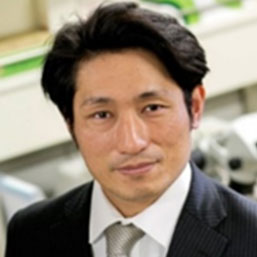
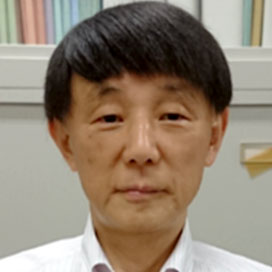
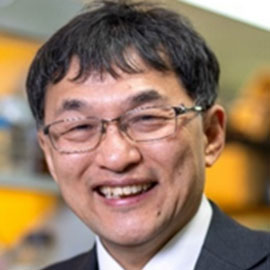
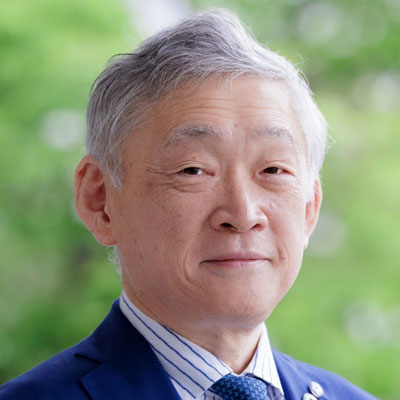

Rapid development of computer power, interconnectivity and machine learning has opened new windows to apply AI, digitalization and technology to improve workplace safety. This session shares some of the successful cases of apply innovations to enhance safety, including:






日本にはセーフティアセッサ(技術者層向け)、セーフティオフィサ(経営層向け)という職場安全のための要員認証制度があり、現在約3千社のがこの制度を活用し、4万人の資格者が存在する。
この資格者により構成されるセーフティアソシエイツ協議会では所属する企業の枠と職層を超えて交流し、研鑽をし、社会貢献をしている。
一般的にほとんどの会社員は社内でしか仕事をしないため、得られる知識が限られ、アカデミックな学会に参加することができるのは限られた専門家だけである。一般的な会社員でも企業の枠を超えて同じ悩みの供給、解決策の相談ができることは大きな価値がある。
本ステージでは企業内での人材活用と企業を超えた交流がどうあるべきかを議論する。


世界のウェルビーイングのための
グローバル・イノベーション・エコシステムの構築
ウェルビーイングの実現には、多様なステークホルダーの協働、すなわちグローバル・イノベーション・エコシステムの構築が不可欠です。これまで産業競争力強化の手段として注目されてきたイノベーション・エコシステムですが、社会課題の解決においても重要な役割を果たしています。今後は、ウェルビーイング中心の社会を支えるためのオープンで実践的なプラットフォームとして活用すべきです。
東京科学大学(Science Tokyo)は、JIN(Japan Innovation Network)と連携し、グローバル・イノベーション・エコシステムの育成と実装に取り組んでいます。この取り組みは、本シンポジウムにおいて紹介される予定です。本シンポジウムには、イノベーション・エコシステムにおいて世界をリードする各国の大使館関係者等をお招きし、未来のオープン・イノベーション・エコシステムについて議論を行います。
皆様のご参加を心よりお待ちしております。


Climate change poses a multidimensional challenge to occupational safety and health (OSH), and without proper control measures in place, may increase the risk for injury, disease and death for workers due to heat stress, extreme weather events, exposure to hazardous chemicals, air pollution and infectious diseases, among others.
Numerous health effects on workers have been linked to climate , including injuries, cancer, cardiovascular disease, respiratory conditions, and effects on their psychosocial health. There has been, for example an increase in the estimated number of deaths among the global working-age population due to exposure to hot temperatures.
Increasing temperature exposures elevates the risk of heat-related illnesses and injuries, making heat stress more common in duration, frequency, and intensity. Longer periods of severe heat and exposure to solar UV radiation can impact worker health, not only physically but also mentally. This will reduce the total number of working hours and productivity, affecting the economic and social well-being of workers, their families, and communities.
While many workers will be affected by increased heat exposure and extreme weather events, outdoor workers are likely to face the most significant impacts. This includes agricultural workers, who labour long hours at high levels of exertion outdoors, where they are especially susceptible to climatic conditions. Increasingly, these workers are also labouring indoors, cultivating crops inside greenhouses which are characterized by similar elevated temperature and humidity exposures, and are more likely to employ women.
To ensure a safe and healthy environment for all workers, OSH policies and the work of International Labour Organization (ILO) globally and nationally represents an integral dimension of a just transition. Managed well, transitions to environmentally and socially sustainable economies can become a strong driver of job creation, job upgrading, social justice and poverty eradication. Greening all enterprises and jobs by introducing more energy and resource efficient practices, avoiding pollution and managing natural resources sustainably leads to innovation, enhances resilience and generates savings which drive new investment and employment.



The event will see Occupational Safety and Health professionals take the stage to highlight the vital role of Occupational Safety and Health and wellbeing in “Designing Future Societies of our Lives”. Organisations from across the globe will come to adopt a World Assembly Founding Declaration – a Forward-Looking Pledge to collaborate, share good practices, support each other across regions and professional boundaries, and create a shared 2030 Roadmap to take forward the ideas and energy from Expo 2025 Osaka to 2030 Riyadh, and turn them into actions.


In a world increasingly shaped by interconnected crises – pandemics, wars, climate change, natural disasters, growing social inequality, and digital violence – we face new challenges in risk prevention and education.
How do young people perceive today’s global crises? What is needed to foster, strengthen, and sustain their resilience as a transformative force?
Our event invites you to explore exciting approaches to collective learning and resilience building. The program includes:
The event is designed as an open forum to encourage dialogue on these challenges from a youth perspective. In the run-up to the event, videos were recorded to make young peoples voices heard.
Join us to discover groundbreaking approaches to addressing global crises through education, collaboration, and resilience building.



Since 2019, the traditional role of the Occupational, Safety and Health (OSH) professional has steadily changed, now regularly incorporating the environment as one of its pillars, meaning the role focus regularly becomes that of an Environmental, Health and Safety (EHS) professional.
In such a changing world of work, where we face so many challenges, it is necessary to continuously update our experience, competencies and responsibilities to create safe and healthy work environments. Currently, it can be said that digitalisation and sustainability are the greatest challenges we face as EHS professionals, alongside the changes in the world of work and the policies and guidelines that are being introduced or are ever evolving, affecting workplaces, societies and our environment.
By the year 2025, at the European level, several Directives will be in force that will have a profound impact on the EHS profession and its further development:
This session will address these aspects and challenges from the perspective of professional EHS.


The symposium aims to bring together global leaders and experts to discuss critical issues related to workplace safety, particularly focusing on youth protection, mental health, harassment, and violence. It features a comprehensive agenda that includes keynotes, sessions, and moderated discussions, fostering collaboration and knowledge-sharing across various sectors.








Mental health significantly impacts both businesses, job performance, productivity and mental wellbeing at the workplace.
A negative psychosocial working environment can lead to both physical and mental health issues, increased absenteeism, and lost productivity. Conversely, workplaces that prioritize mental wellbeing and social support to employees with mental disorders are more likely to experience reduced absenteeism, heightened productivity, and related economic benefits. Thus, there are compelling human and economic reasons for businesses to enhance mental wellbeing programs and foster a culture of safety, health, and wellbeing.
The COVID-19 pandemic has raised awareness about the importance of mental wellbeing at the workplace and many companies have tried out new working forms that considers both the needs of the work and the needs of the individual work life balance. This situation presents strong incentives to redesign work organization, by fx. increasing flexibility and provide support through mental health and wellbeing programs.
Recently, several key initiatives have been launched by organizations such as the ILO, WHO, ISSA, and EU-OSHA to offer guidance and practical tools for managing mental health and wellbeing within companies. The Vision Zero Wellbeing Guide, developed by ISSA, will be presented alongside practical business cases of successfully managing mental health and wellbeing shared by senior SHE managers from renowned enterprises.




As the workforce has evolved, and continues to evolve, so must the world of occupational safety and health and its leadership. Globally, on average around 40% of the world’s workforce are female and, in many countries, this is increasingly close to or more than 50%.
Once a male-dominated area, women increasingly play important roles, at every level, across the wider HSE landscape - as engineers, doctors, inspectors, leaders and more.
This panel discussion will explore how women are increasingly trailblazing, reshaping approaches to health and safety and how modern leadership can encourage and support this growth. Panellists will discuss their own experiences, as leaders and innovators, and explore how a progressive approach from industry can bear fruit.
The discussion will also consider how employers can help to promote women’s voices and facilitate an inclusive environment.


The Sustainable Development Goals (SDGs) promote inclusive and sustainable economic growth, employment and decent work for all. Yet progress towards SDG 8 is not advancing at the speed or scale required and we are still seeing millions of workers suffering from injuries, ill health and disease caused or made worse by their work, with 2.78 million fatal injuries every year. The ILO’s Global Strategy on Occupational Safety and Health 2024-2030 is a strategy for action, which includes the need to strengthen investment in occupational safety and health. Whereby sustainable financing at the national, sectoral and workplace level is essential if we want to reduce occupational fatalities, injuries and diseases globally.
The financial sector – specifically the institutional investor capital community, philanthropy investment, private finance from multilateral development banks (MDBs) and development finance institutions (DFIs) - play a crucial role to catalyse finance to achieve SDGs. We know that instruments of this kind are already in existence and contributing to sustainable development – however, they are not necessarily effectively integrated to close the financing gap when it comes to combating social issues. These social issues includes occupational safety and health (as well as labour protection and modern slavery in supply chains).
This leads to so many questions. For example, what is sustainable funding? What is needed at a national level to provide an inclusive and coordinated sustainable financing model for occupational safety and health? How can we mobilise private finance, philanthropy investment and institutional investor capital to lead to a positive economic structural transformation? What models are already available and how can they be used to ensure impact at the workplace level and importantly, ensure a positive impact on individual workers? How do we shift economic investment for social-aligned development in middle- and low-income countries and hard-to-reach sectors of the global economy?
This session will start the dialogue on sustainable funding and investment programs that are needed at the national level for occupational health and safety. It will also discuss how the right model can have an influence and impact at a workplace level, worker level, and within hard-to-reach sectors. Each panellist will bring their own perspectives and expertise to talk about the system approach that is needed.



This session will explore the impact of meaningful work on mental health and well-being, addressing both theoretical and practical perspectives. The session will begin by introducing the concept of meaningful work, focusing on its psychosocial components beyond legal minimums, such as dignity of labor and social cohesion.
Theoretical insights will highlight how work can foster a deeper connection between individuals and their environment, contributing to a sense of belonging, identity, and social cohesion.
The discussion will then shift to the real-world implications, examining the gap between ideal workplace conditions and the reality of many environments, where safety may be ensured but psychosocial needs are often overlooked, leading to stress and burnout.
A panel discussion will focus on practical strategies for creating meaningful work, including fostering engagement, psychological safety, and addressing the disconnect between employee expectations and actual experiences.
The session will conclude with actionable takeaways, encouraging participants to implement changes for more resonant work environments.


In an era of rapid technological advancements, climate change, and evolving industries, workers face a future fraught with uncertainties that could impact their health, safety and wellbeing. These challenges, alongside the opportunities they bring, require a transformative approach to workplace safety and culture.
This session will explore how Vision Zero, a framework focused on eliminating workplace accidents, injuries and fatalities, can be effectively applied across all sectors of business. Attendees will learn how the adaptability of Vision Zero extends beyond traditional safety measures to influence company-wide attitudes, processes and outcomes.
Through real-world examples and case studies, the session will showcase how Vision Zero is more than just a safety initiative—it is a strategic tool that drives cultural change, fosters leadership commitment and enables businesses to adapt to new risks and opportunities.
Attendees will also hear how integrating Vision Zero principles into training, education and day-to-day operations leads to a sustainable, safety-conscious mindset that shapes both short-term and long-term business success.
Discover how Vision Zero’s holistic approach can transform the way businesses engage with safety, improve decision-making processes and ultimately lead to better outcomes for both workers and organisations across the globe.


All around the globe humans are longing for a good life for themselves and their families. Modern technology opens new opportunities for a better life, but in a connected world, the global economy and growing living standards depend on sustainable supply chains, which begin either in agriculture or in mining.
As a logical consequence, mining all over the world must go ahead and demonstrate its responsibility for humans and for nature – meaning safety, health, wellbeing for humans and sustainable care for nature begin in mines and extraction of natural resources all around the world.
However, the actual situation all over the world shows a big variety: advanced multinational mining corporations are setting good examples already, but there are still human suffering and environmental disasters caused by mining activities and fatalities and fatal disease rates in mining are far above the average for other sectors of the economy.
To improve this situation and to promote a new mindset of responsibility and care, the VISION ZERO Strategy and its fundamental 7 Golden Rules have first been developed for the mining sector and became meanwhile the new prevention culture strategy beyond compliance for all workplaces in any sector.
The session will demonstrate exemplary practical solutions to implement a new prevention culture at the various work situations in mining and to promote change in leadership and sustainable care to protect lives and health of all workers.




The Section on Prevention in the Construction Industry was founded in 1968 and is one of the fourteen International Sections on Prevention coordinated by the ISSA.
Our goal is to improve safety and health protection on construction sites worldwide with the help of our global network through international exchange.
The aim of the session is to demonstrate how the construction sector plays a central role in achieving the goal of a world without serious or fatal accidents at work and occupational diseases via the use of innovative solutions and the Vision Zero strategy.




The rapid digitalization of work processes is reshaping occupational safety, health, and security, introducing both transformative opportunities and unprecedented challenges. As industries embrace automation, connectivity, and immersive technologies, it is essential to understand the evolving risks and best practices necessary to ensure a safe and resilient workplace.
The integration of digital tools has the potential to enhance worker safety, improve well-being, and foster more flexible, inclusive work environments. From intelligent safety technologies to AI-driven avatars and human-machine interfaces, innovative solutions are redefining training, risk assessment, and hazard prevention. Immersive technologies such as Augmented Reality (AR), Virtual Reality (VR), and Extended Reality (XR) are revolutionizing safety training, allowing workers to engage with high-risk scenarios in controlled, simulated environments. These cutting-edge advancements enable organizations to proactively identify and mitigate risks before they manifest in real-world settings.
However, alongside these advancements, new challenges emerge. Digitalization is accelerating work intensification, increasing screen exposure, and altering social interactions in the workplace. Furthermore, as industries become more interconnected, cybersecurity threats pose an increasing risk to operational safety. Industrial systems are now prime targets for cyberattacks, with the potential for significant financial losses, data breaches, and even physical harm to workers. Understanding and addressing these vulnerabilities is crucial to ensuring the integrity of digital safety infrastructures.
This session will explore the intersection of digital transformation and occupational safety, providing insights into how businesses can leverage technology while managing associated risks. Attendees will gain practical knowledge from real-world applications of digital safety tools, witness a live demonstration of a cyberattack on a model factory, and engage in discussions on the future of workplace safety in an era of digital innovation. The session will conclude with a roundtable discussion, allowing experts and participants to explore collaborative solutions for integrating digital technologies into workplace safety strategies while mitigating emerging threats.
Join us for this engaging conversation on the future of safety in the digital age and discover how technology is shaping a more secure, intelligent, and resilient workplace.




Healthcare professionals are the backbone of our healthcare system, working tirelessly to care for patients in hospitals and long-term care facilities. As the demand for specialised care increases and the healthcare landscape becomes more complex, these professionals face critical challenges.
Additionally, the lack of healthcare workers is becoming a pressing issue in many parts of the world, including Japan and several countries in the European Union, where aging populations and rising care needs have intensified the demand for healthcare professionals.
These current challenges aggravate the fact that healthcare workers are exposed to significant risks in their profession, particularly in the areas of infections, musculoskeletal injuries, and high levels of mental stress. The pressure on healthcare workers is increasing and it's vital that we create safer, healthier workplaces to protect those who provide essential care.
This session headed by the ISSA Section for Occupational Risks in Health Services pinpoints stressors and provides practical tips on how to adjust prevention strategies.



This session explores how artificial intelligence (AI) and digital technologies are transforming occupational safety and health (OSH), with a focus on predictive prevention and worker well-being. Drawing from the experience of the Korea Occupational Safety and Health Agency (KOSHA), it highlights the development of AI-driven models that identify high-risk workplaces, detect early signs of health deterioration, and propose environmental improvements—particularly for small-scale enterprises. These advances are underpinned by big data but raise important issues around privacy, data quality, and ethics, calling for robust governance and interdisciplinary collaboration.
In parallel, the session examines how digital technologies—from smart wearables to algorithmic systems—are reshaping psychosocial risks at work. Constant connectivity, surveillance, and algorithmic management are intensifying mental stress, especially among platform and informal workers.
However, technology also offers new tools: predictive models for burnout, conversational AI for emotional support, and self-assessment tools for early psychosocial intervention. By integrating flexible, human-centred design and digital safeguards into daily work processes, organizations can ensure that innovation supports inclusion, resilience, and Decent Work—especially in the Global South.
The session advocates a balanced approach that aligns policy, leadership, and technology to harness the promise of the digital wave while safeguarding worker dignity and health.





Saudi Vision 2030 is a transformative roadmap to diversify the economy, enhance quality of life, and empower Saudi talent.
The energy sector—being the backbone of the Kingdom’s economy—must lead this transformation by integrating workplace wellbeing as a strategic priority, ensuring a resilient, innovative, and future-ready workforce.





This roundtable with will reflect about the future of OSH, from the perspective of large companies and leading occupational accident insurance companies from Latin America.
Senior managers will analyse and discuss policies, programmes and new approaches involving artificial intelligence and the extensive use of data analysis in OSH.




This session explores the latest advancements in Occupational Safety and Health (OSH) technologies that are transforming workplace safety standards worldwide.
As industries evolve, new tools and systems—such as wearable devices, AI-driven monitoring, and IoT integration—are helping to prevent accidents, enhance hazard detection, and support safer work environments.
This session delves into the cutting-edge innovations reshaping OSH practices, ensuring that future workplaces prioritize both productivity and the well-being of employees.



Due to global warming, workers all around the world are increasingly exposed to heat stress hazards. The session aims to share some system- wise monitoring and intervention alternatives as well as to tell a story on how to cherry-pick the optimal PPEs for heat stroke prevention.
CCVDs (cardiovascular/ cerebrovascular diseases) and MSDs are among the top health problem facing world-wide employees. This session also brings about some latest solutions in this area, including:


Ensuring safety and health of workers is a substantial element of work. Vision Zero, that serves as the basis for accident prevention and health promotion activities at work, was established based on several important principles. Among them, the philosophy recognizes that humans make mistakes. Even so Vision Zero insists that mistakes must never cost lives (Ehnes, Vision Zero -The Global Prevention Strategy for Life, ISSA 2019) and certainly not derangement from returning to work.
Therefore, it is important for health providers or social security to enable smooth medical treatment, disability management and rehabilitation. The flow of treatment and rehabilitation does not naturally occur, in fact requires a proactive and planned disability management process.
The session aims to highlight this important aspect of occupational safety and health, where systematic disability management may overcome an unwanted outcome following a workplace injury. The speakers will share their experience in managing and enhancing return to work programs, disability management and rehabilitation for injured workers.