The first World Assembly of Occupational Safety and Health (OSH) Professionals will take place at the Expo 2025 in Osaka, Kansai, Japan, in July 2025.
The World Assembly will welcome safety and health professionals, experts, and business sustainability leaders and advocates, academics and students from Japan and all over the world for a unique opportunity to network, engage in discussions and learn from the World’s leading specialists and practitioners in workplace safety, health and wellbeing.
Highlighting the fast-changing world of work and challenges, with both natural and man-made developments, that impact the safety, health and well-being of people at work around the world, the World Assembly will be held over two days:
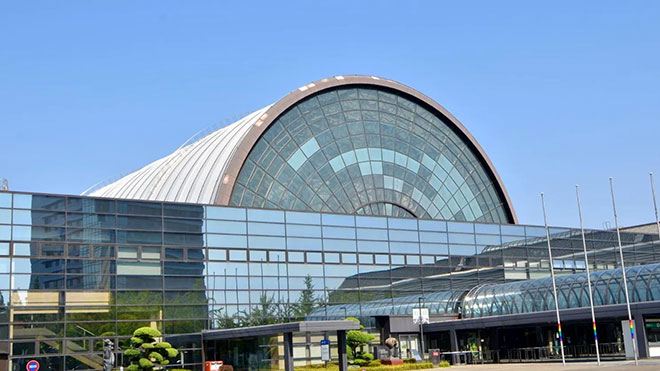

On 16th July 2025, at Intex Osaka, participants will be able to take part in curated interactive workshops delving into pressing topics related to safety, health and wellbeing in the changing world of work.
Eight workshops will be organised over the course of the day, addressing ley topics: four parallel workshops in the morning and four parallel workshops in the afternoon:
Morning workshops:
Afternoon workshops:
Participants are encouraged to actively contribute to the discussions examining key topics and share their thoughts on how the Occupational Safety and Health profession is evolving in the rapidly transforming world of work. The workshops are open to diverse professionals, business and sustainability leaders, experts, students and all those with interest in the safety, health and well-being of workers and its impact on business and societies at large.
Key insights from the eight workshops will be included in the World Assembly outcome document, which will be presented, together with a Declaration, at the World Assembly Plenary on 18th July 2025.




This workshop explores the critical intersection between occupational safety and health (OSH) and the sustainability agenda. It emphasises the role of OSH in achieving the both the Sustainable Development Goals (SDGs) and the broader Agenda 2030. It will address the need for value-driven business, responsible and ethical leadership, and healthy, diverse workforces in the pursuit of a sustainable future.
The workshop will be structured around two of the most significant and interdependent dimensions of the sustainability conversation – firstly, articulating and realising the vision of socially sustainable work and, secondly, the challenge of aligned measurement and reporting on it.











Humans + Technology: A Collaborative Future for Workplace Health, Safety, and Well-being
The rapid advancement of technology has transformed workplace safety and well-being, with AI, robotics, and data-driven tools driving unprecedented improvements. However, this integration has also introduced new challenges, including concerns about trust, privacy, and the fear of human roles being diminished. A new dialogue emerges: how do we balance technological innovation with the critical need for human connection and ethical responsibility?
This workshop explores the interplay between humans and technology, emphasizing collaboration over replacement. Through hands-on demonstrations, thought-provoking discussions, and real-world case studies, participants will uncover practical strategies to navigate the evolving landscape of workplace safety. The conversation centres on creating synergy between digital capabilities and human expertise, ensuring a future where technology enhances, rather than overshadows, the well-being of workers.
























This workshop explores the intersection of climate adaptation and occupational safety and health (OSH), emphasizing the interconnectedness of workplace challenges and sustainable solutions. Through an engaging mix of expert presentations with focus on health effects and industry perspectives three interactive discussions will be held. Participants will address critical climate-driven issues such as heat stress, circular economy practices, and the health impacts of extreme weather events. Different interactive techniques will be used to support the audience and industry leaders to collaborate in developing innovative, multidisciplinary approaches to these pressing problems. The session highlights the importance of holistic thinking and transparency, empowering participants to transform climate challenges into opportunities for resilience and sustainable innovation in workplace health and safety.











The pace of change continues to accelerate in a dynamic and unpredictable world. This session will examine the implications of change from three perspectives: climate change, technological advancement and ethical challenge.
Man’s actions are altering the planet’s temperature and consequently its weather patterns. Higher temperatures and catastrophic climate events are becoming more frequent. Technological innovation is transforming information gathering and the way we work. The global domination of the internet and social media and the influence they have on cultural norms is challenging what is regarded as moral and ethical in many societies.
Changes like these directly affect competency needs. Our focus must shift from acquiring specific skills and expertise to fostering flexibility, lifelong adaptability, critical thinking, and the capacity to make ethical judgments and decisions. The session will provide an excellent opportunity to explore these shifts and discuss the options for what we must learn and how we may work in the future.









The workshop will discuss four key questions:
Why is wellbeing a business concern?
What are good wellbeing programs and how do you measure their effectiveness
How do organizations learn from incidents and develop their wellbeing performance
How do you integrate wellbeing into an organization’s operational systems?
The workshop will also focus on inclusion of neurodiversity, generations cooperation in organisations, changes in ways to work (four days weeks, promote work, etc), manager wellbeing as essential for a well-functioning psychosocial work environment.





This interactive workshop will explore critical questions surrounding metric identification, measurement, and their evolving role in organisational safety practices and maturity. Participants will delve into the challenges of defining leading, lagging and predictive metrics while validating their relevance and impact. As organisations progress from compliance-driven models to safety systems and culture-focused approaches, the workshop will examine how metric measurement adapts to meet changing priorities and behaviours.
Through engaging discussions and practical insights, this workshop aims to focus on navigating the complexities of safety metrics and driving effective, responsible decision-making in dynamic organisational landscapes.






The world is changing at an unprecedented pace and so is the world of work. As the OSH profession remains dedicated to keeping people safe, healthy and well, how this is achieved is presenting new challenges and opportunities. OSH professionals have already transformed over the years with many taking on additional responsibility for environmental management, quality, wellbeing, security, facilities, sustainability and resilience.
In this workshop we will explore how we can effectively and sustainably manage the transition of the OSH profession; discuss what skills are needed and how they can and should be delivered.




This session will explore the potential and benefits of collaboration across OSH bodies and other stakeholders with the common goal of keeping people safe, healthy and well.
Attendees will hear from speakers representing a breadth of partnership approaches across the globe who will address:





On Friday, 18th July 2025, as part of the Osaka Expo 2025, a historic World Assembly Plenary will be organised at the Expo Hall, celebrating Occupational Safety and Health professionals and their contribution to the world of work and to societies at large.
The event will see Occupational Safety and Health professionals take the stage to highlight the vital role of Occupational Safety and Health and wellbeing in “Designing Future Societies of our Lives” and adopt a World Assembly Outcome Document and Declaration reinforcing this role, which will send a clear message to the world that Occupational Safety and Health is a foundation of sustainable development and of sustainable future.


The event will see Occupational Safety and Health professionals take the stage to highlight the vital role of Occupational Safety and Health and wellbeing in “Designing Future Societies of our Lives”. Organisations from across the globe will come to adopt a World Assembly Founding Declaration – a Forward-Looking Pledge to collaborate, share good practices, support each other across regions and professional boundaries, and create a shared 2030 Roadmap to take forward the ideas and energy from Expo 2025 Osaka to 2030 Riyadh, and turn them into actions.